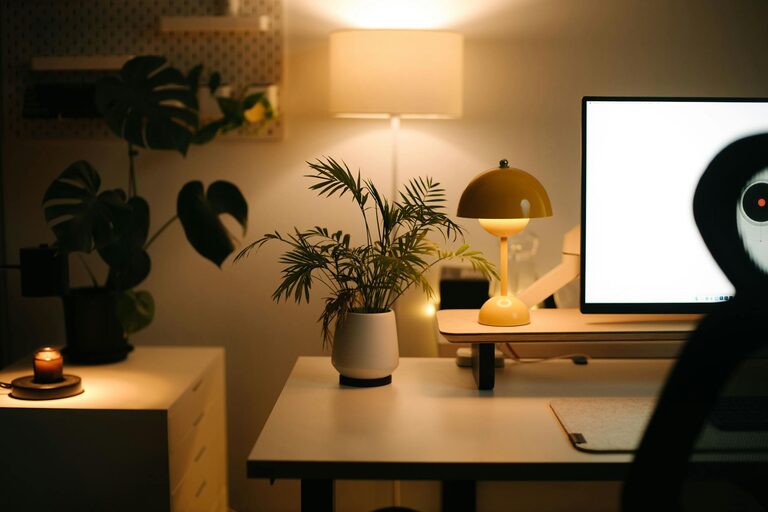
Creating a cosy and inviting home workspace is essential for maintaining focus and enjoying your work routine. Whether you work from home full-time or just need a dedicated corner for occasional tasks, designing a space that feels comfortable and personal can make all the difference. Here are some practical tips to help you build a home workspace that welcomes you every day.
Choose the Right Location
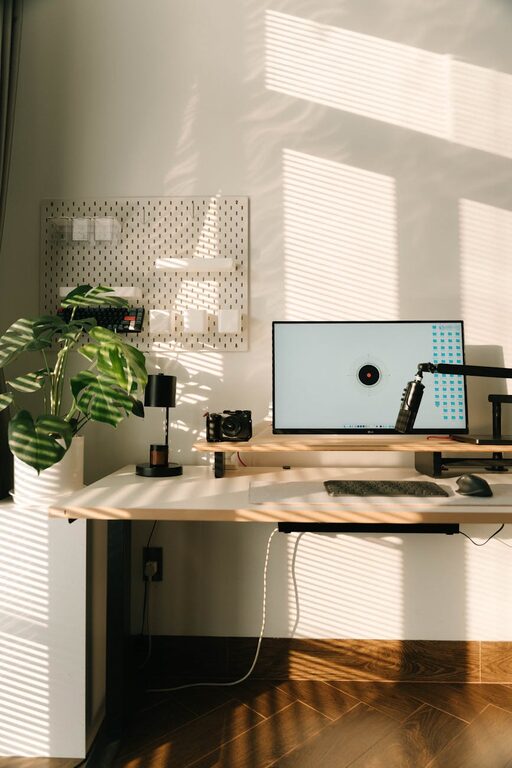
Selecting the ideal spot for your workspace is the first step. Opt for an area with good natural light, as this helps reduce eye strain and improves mood. A quiet corner away from busy household areas is preferable, allowing better concentration. If possible, position your desk near a window to enjoy daylight and fresh air.
Invest in Comfortable Furniture
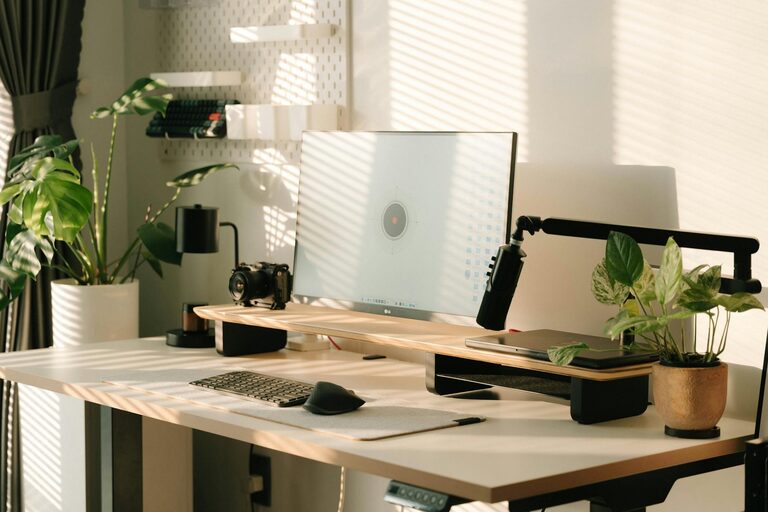
Comfort is key when setting up a workspace. A sturdy desk with enough surface area for your essentials and a supportive chair that encourages good posture are must-haves. Adjustable chairs with lumbar support are great for avoiding back pain during long working hours. If space allows, consider adding a small side table or shelves to keep additional items organised.
Personalise Your Space
Adding touches that reflect your personality can make your workspace feel more inviting. Use artwork, photographs, or inspirational quotes on the walls. A favourite mug or unique stationery can also brighten your desk. However, keep decorations minimal to avoid clutter and distractions.
Optimise Lighting
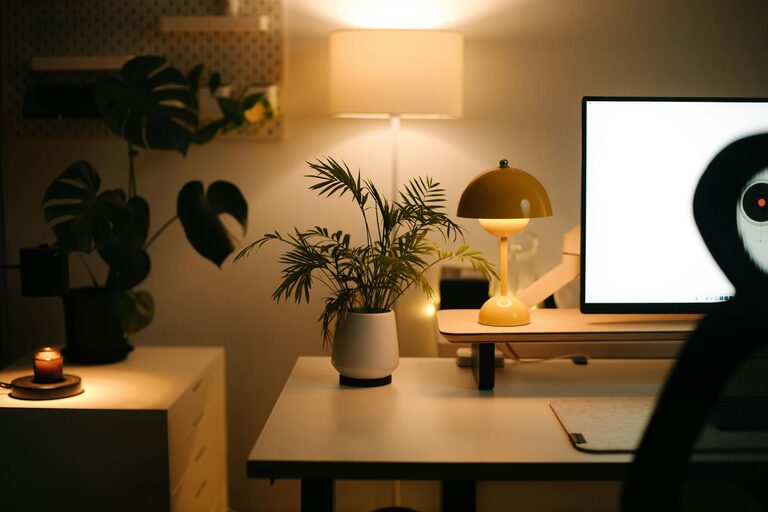
Good lighting helps reduce fatigue and maintain productivity. Combine natural light with artificial sources to create a balanced environment. A desk lamp with adjustable brightness and warmth can be very effective, especially for evening work. Avoid harsh overhead lighting or glare on your screen by positioning lights thoughtfully.
Keep It Organised
A tidy workspace encourages clear thinking. Use storage solutions like drawers, organisers, and filing trays to keep papers and office supplies neat. Cable management is also important—use clips or ties to prevent cables from tangling and creating a messy look. Regularly declutter your desk to maintain a serene atmosphere.
Add Soft Textiles and Plants
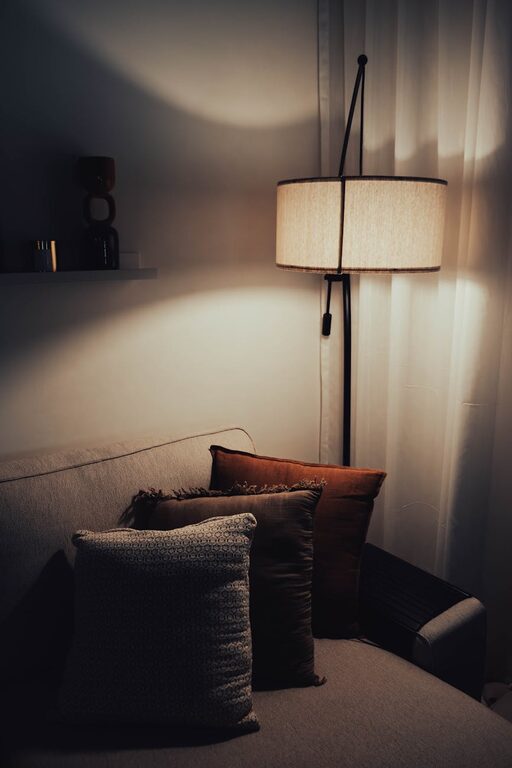
Introducing soft textiles like a cosy rug or cushions can add warmth and comfort to your workspace. These small touches make sitting or standing in your area more pleasant. Additionally, indoor plants not only enhance the aesthetics but also improve air quality and provide a calming influence. Choose low-maintenance plants such as succulents or spider plants if you’re new to gardening.
Incorporate Technology Thoughtfully
Technology should support your work without overwhelming your space. Ensure your devices are ergonomically positioned — for example, your computer screen should be at eye level. Use wireless peripherals if possible to reduce clutter. Consider investing in noise-cancelling headphones to block out distractions during busy times at home.
Create Zones for Different Tasks
If your workspace is large enough, consider dividing it into zones for different activities. For example, a desk area for computer work, a separate reading nook with comfy seating, or a standing desk to vary posture. This variety can help break monotony and keep you engaged throughout the day.
Maintain a Comfortable Temperature
A room that is too hot or cold can distract you from your work. Use fans, heaters, or windows to control temperature. Wearing layered clothing while working at home can also make it easier to stay comfortable throughout the day.
Establish a Routine and Boundaries
Finally, the atmosphere of your workspace is affected by your habits. Try to start and finish work at consistent times and take regular breaks. Communicate your work hours clearly to family or housemates to minimise interruptions. This approach helps create a professional mindset even within a cosy home environment.
—
Creating a cosy and inviting home workspace doesn’t require an extensive budget or major renovations. Thoughtful planning, comfortable furniture, and a few personal touches can transform even a small area into a productive and pleasant workspace. Use these tips to build an environment that feels just right for you.
About the Author