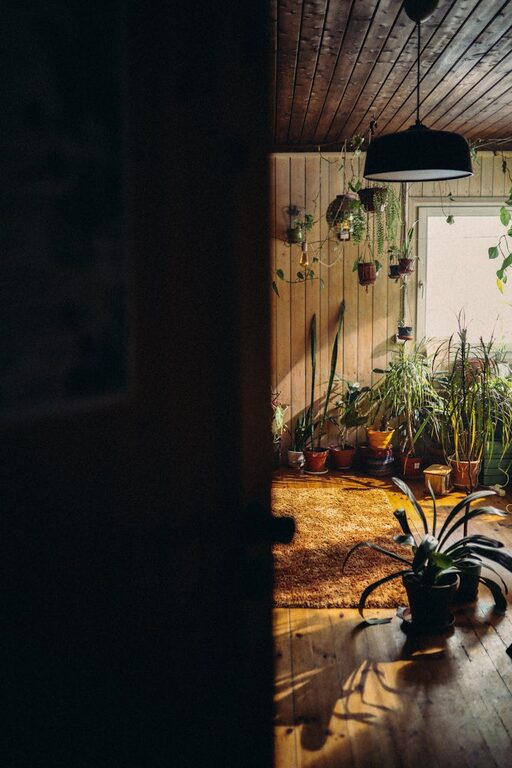
Creating a relaxing home environment is essential for improving overall well-being. Our living spaces have a powerful impact on how we feel, influencing stress levels, mood, and even sleep quality. Fortunately, you don’t need to invest in expensive renovations or designer items to make your home a more peaceful sanctuary. With simple changes and thoughtful planning, you can craft a calming atmosphere that supports relaxation and happiness.
Below are practical tips to help you turn your home into a place of comfort and balance.
Declutter and Organise
One of the quickest ways to create a relaxing environment is to reduce clutter. A cluttered space can lead to feelings of stress and overwhelm, while a clean and organised room promotes calm and focus.
– Sort your belongings: Go through each room and decide which items you truly need or love. Donate, recycle, or bin the rest.
– Use storage solutions: Baskets, shelves and boxes are useful for keeping things tidy and out of sight.
– Keep surfaces clear: Maintaining empty countertops and tabletops helps create a sense of openness.
Bring Nature Indoors
Natural elements have a soothing effect and connect us to the outdoors, which can improve mood and reduce stress.
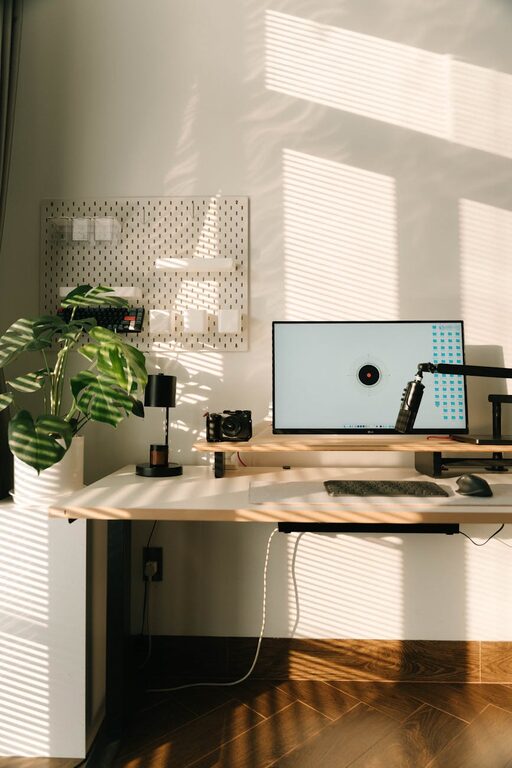
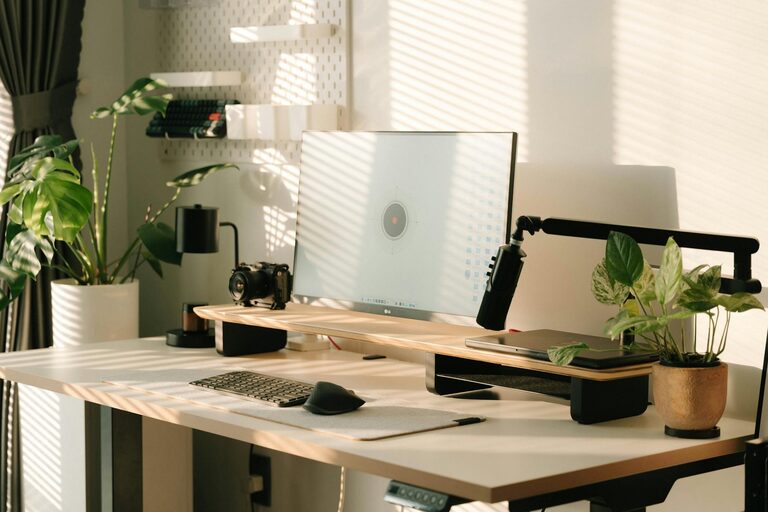
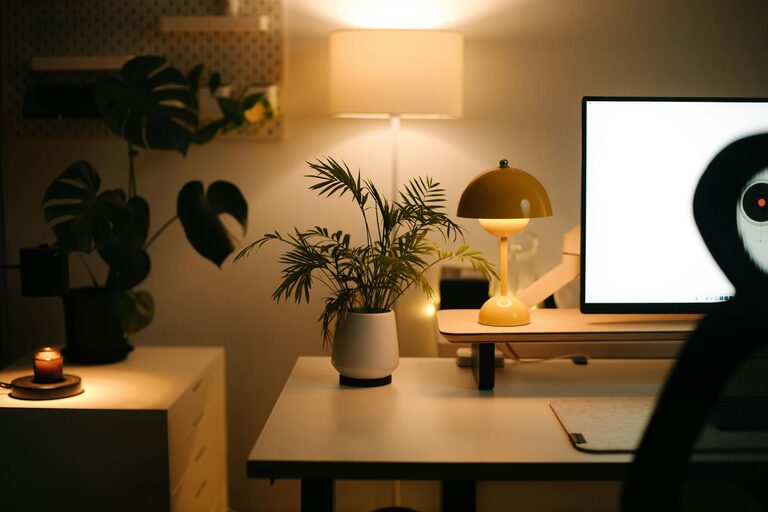
– Add houseplants: Easy-to-care-for plants like spider plants, snake plants or peace lilies can improve air quality and add greenery.
– Use natural materials: Wood, stone or cotton furnishings introduce warmth and texture.
– Let in natural light: Open curtains or blinds during the day to flood rooms with daylight.
Choose Calming Colours
Colours strongly influence how a space feels. Soft, muted tones often create a relaxing vibe.
– Opt for cool shades: Light blues, greens and greys evoke tranquility.
– Consider neutrals: Creams, tans and soft whites offer a clean, peaceful backdrop.
– Avoid overstimulation: Bright or overly bold colours may feel energising rather than calming.
Create Comfortable Spaces
Comfort boosts relaxation and encourages you to spend more time unwinding at home.
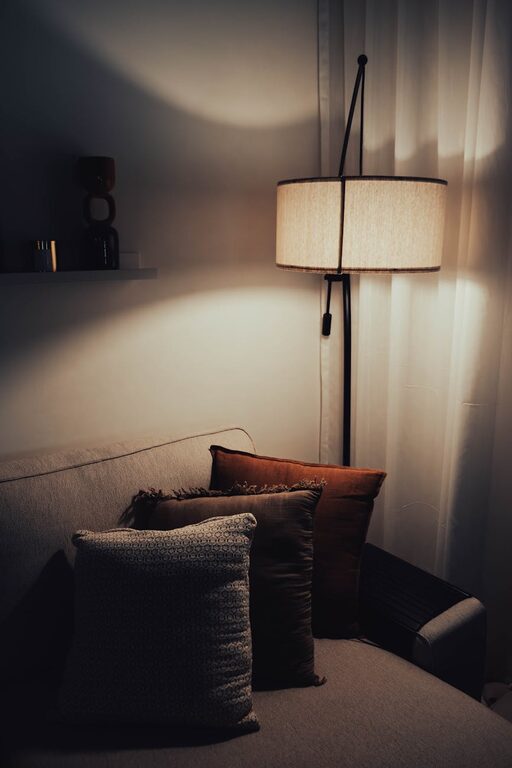
– Invest in cushions and throws: Soft fabrics and cosy textures create inviting spots.
– Choose ergonomic furniture: Chairs and sofas that support your posture help you relax physically and mentally.
– Set up a reading nook or meditation corner: Designate a quiet area with minimal distractions where you can rest and recharge.
Use Soothing Scents and Sounds
Our senses affect how we feel, so adding calming smells and sounds can enhance the atmosphere.
– Use essential oils or candles: Lavender, chamomile or eucalyptus are known for their calming properties.
– Play gentle music or nature sounds: Soft instrumental music, birdsong or ocean waves can help reduce anxiety.
– Minimise noise pollution: Close windows or use rugs and curtains to absorb sound and reduce echoes.
Maintain Good Air Quality and Temperature
A comfortable climate is important for well-being, especially since stuffy or chilly rooms can be stressful.
– Ventilate regularly: Open windows daily to circulate fresh air.
– Use air purifiers if needed: These can help reduce allergens and dust.
– Control temperature: Aim for a moderate room temperature that feels pleasant, generally around 20-22°C.
Establish Relaxing Routines
Finally, consider how your daily habits affect how your home feels.
– Unplug regularly: Turn off electronic devices and limit screen time in communal spaces.
– Practice mindfulness: Spending a few minutes meditating, stretching or journaling in your calming environment can deepen relaxation.
– Keep spaces clean: Regular cleaning prevents build-up of dirt and creates a more enjoyable setting.
Summary
Creating a relaxing home environment doesn’t have to be complicated or costly. By decluttering, bringing nature inside, using calming colours and scents, making comfortable spaces, maintaining good air quality and establishing soothing routines, you can support your well-being and make your home a peaceful retreat. These small changes add up to big benefits, helping you to feel more rested, focused and happy in your everyday life.
About the Author